community
What are Police Departments Doing to Improve Traffic Stops?
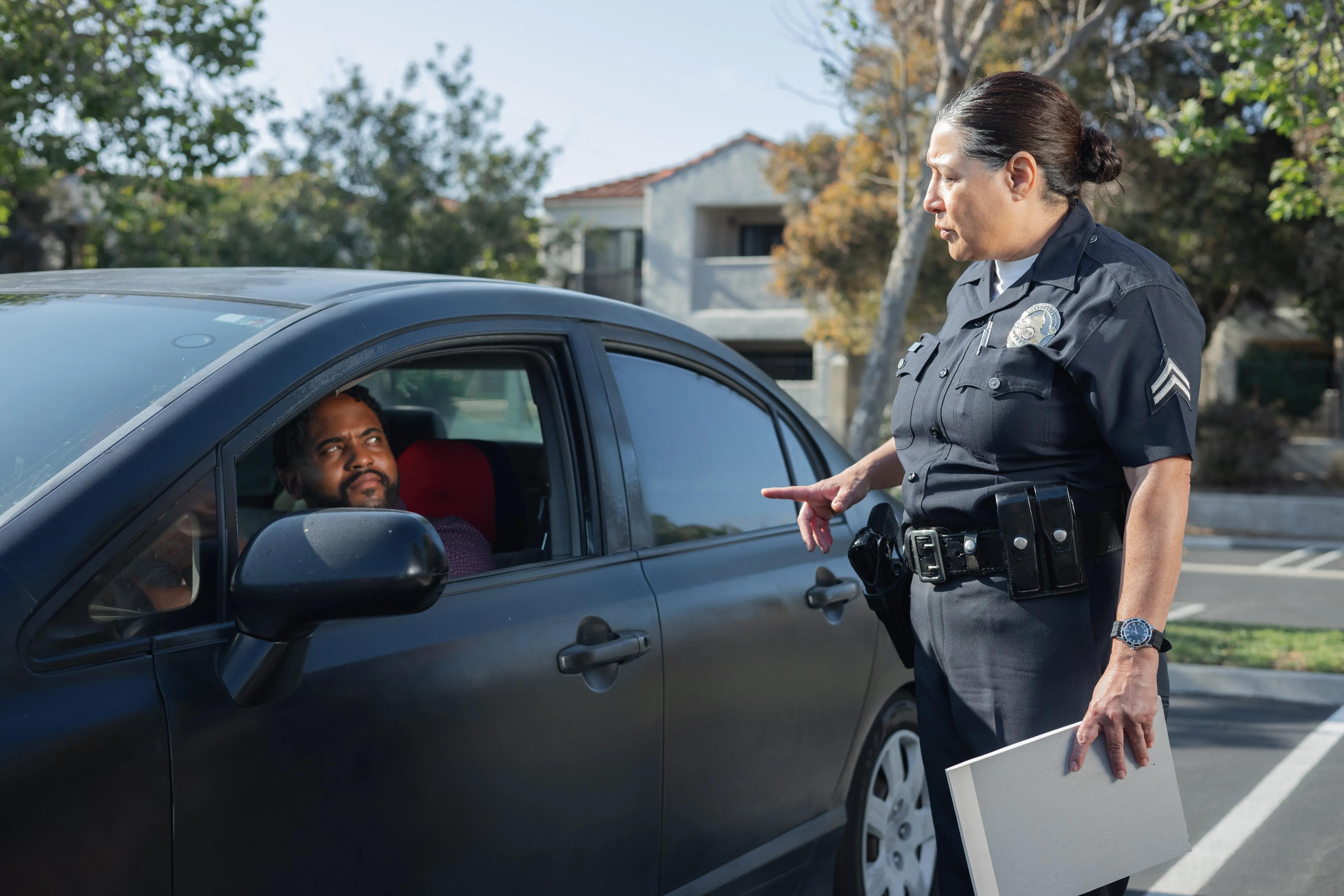
Conducting a traffic stop is part of every patrol officer’s day-to-day routine. They speak with hundreds of people every month. However, for most citizens, a traffic stop may be the only interaction they have with police for years — sometimes decades. This police-citizen interaction shapes the citizen’s perception of the officer and the police department, for better or worse.
Let’s face it, patrol officers operate as the public face of departments in their community. Trust and confidence can be eroded instantly depending on an officer’s approach. Conversely, an officer can create positive teachable moments through respect and trust with a citizen, even when it results in a citation.
What are police departments doing to improve this important interaction?
Customer service is estimated to be a 350-billion-dollar industry.[1] There’s a reason companies have big budgets they put towards improving customer satisfaction and trust: they know the value of positive customer experiences. A complimentary repair beyond a product’s initial warranty, a free cup of coffee, or even asking for feedback after a service call shows an intent to deliver a great experience. That singular moment is the difference between a bad online review or a new loyal customer. The return on investment is well worth the upfront cost.
Unlike company employees, though, police officers provide a public service with much higher stakes than the average call center representative or brick-and-mortar floor manager — even if the importance of delivering excellent customer service is, in many cases, similar. It also must be noted that officers hold an incredible responsibility. Whether it’s responding to domestic violence calls, verifying the VIN of a teenager’s used Kawasaki motorcycle, or stopping a speeding vehicle, an officer’s day-to-day duties are almost endless in their variety. Responding quickly and effectively in a dangerous situation saves lives. Acting with dignity and respect during a traffic stop can create lasting positive sentiment in a community.
A study of 5,700 randomly selected respondents found that the effect of having a “bad experience” with police during an interaction is “four to fourteen times as great as having a positive experience.”[2] This imbalance isn’t unique to police work. Behavioral psychologists have researched similar cognitive biases in face-to-face interactions for decades. We often remember when something goes wrong and not when something goes right — especially when we assume it will.
Another simple fact? Nearly two-thirds of people view their local law enforcement positively.[3] Contrary to what some media outlets would have you believe, most people expect their interactions with the police to go right. That may be why the biased perception in police-citizen interactions makes it critical to get it right the first time — because it may be the only time.
Officers who engage respectfully and procedurally with a citizen can significantly change the public’s perception of their police department. In addition, positive on-the-stop actions improve other aspects of policing, including:
- Positive police engagement efforts that help build community trust and confidence.
- Citizens who perceive the police as fair are more likely to trust the police, which leads to better community cooperation and compliance.
- Reduced opportunity for disgruntled citizens to level substantiated complaints against an officer.
It’s not just a nicety — it’s a necessity to improve police-citizen interactions. Achieving greater citizen satisfaction during traffic stops is tantamount to enhancing a police department’s reputation and ability to police effectively.
Why not take a page from successful companies’ playbooks for customer service? Though many solutions won’t fit perfectly into police work, collecting feedback after a service call — in our case, a traffic stop — is one way to improve citizen satisfaction. One way to do that is through a survey tool owned and driven by frontline officers. Such tools like Know Your Force provide a simple QR-code-based survey to help officers gather feedback during an interaction, deriving insights to help monitor and measure sentiment.
Providing an excellent citizen experience is critical. It can be the difference between bad word of mouth and a community that trusts and respects the work of their police department.
To learn more about how you can start to gather positive feedback and build community trust, visit us at knowyourforce.com.
- https://www.forbes.com/sites/blakemorgan/2017/09/25/customer-service-is-a-350b-industry-and-its-a-mess/?sh=29254f7711be
- Sargeant, Elise, Kristina Murphy, and Natasha S Madon. “Is Dissatisfaction with Police Inevitable? Testing an Integrated Model of Motivational Postures and Procedural Justice in Police-Citizen Contacts.” Police Practice and Research 19, no. 2 (February 4, 2018): 125–37. https://doi.org/https://doi.org/10.1080/15614263.2018.1418156.
- https://www.cato.org/survey-reports/policing-america-understanding-public-attitudes-toward-police-results-national